
 Tweet
Tweet
This has been discussed briefly in other threads but I thought it would be useful to have one for this subject alone. I have found a number of relevant links, and I am wondering if anyone has had any experience, positive or negative, with any of these suggestions. Obviously there is no hard data and no cures, especially for severe apnea, but even under CPAP/APAP there can be improvements, even from night to night, so it is possible that some of these things do work, especially over time. It would take some serious and time-consuming effort and monitoring to get definite conclusions, but I am just looking for people with experience. Anybody tried any of these things:
Re the last link I am referring to the last two things, namely the anti-back-sleeping device (anybody made or bought one?) and the didgeridoo.
Here is a quote from Wiki (http://en.wikipedia.org/wiki/Obstructive_sleep_apnea) which sounds encouraging:
Alternative treatments
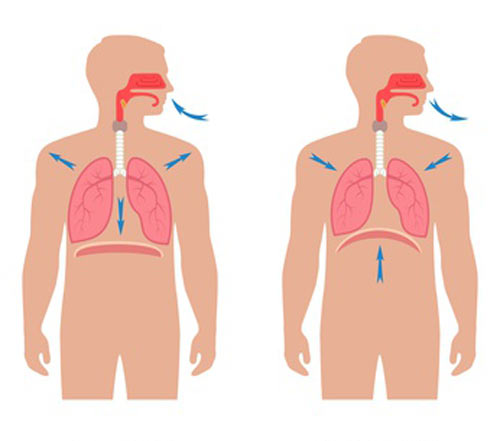
One study showed that playing the didgeridoo may reduce snoring and daytime sleepiness due to obstructive sleep apnea.[24] Since obstructive sleep apnea is sometimes caused by low tone (hypotonicity) in the muscles of the throat, playing the didgeridoo may improve symptoms of sleep apnea by exercising muscles of the throat and increasing tone.[25]
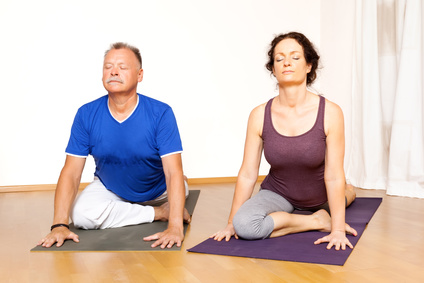
A study published in 2009[25] tested the effect of a set of oropharyngeal exercises developed from exercises used by speech-language pathologists to improve swallowing function. Participants with moderate obstructive sleep apnea who performed the exercises every day showed a significant decrease in snoring frequency, snoring intensity, daytime sleepiness, sleep quality score, neck circumference, and apnea-hypopnea index (events per hour) when compared with a control group who performed sham exercises. The improvement in OSA shown by this group was comparable to the improvement shown in patients who use oral appliances to treat OSA.
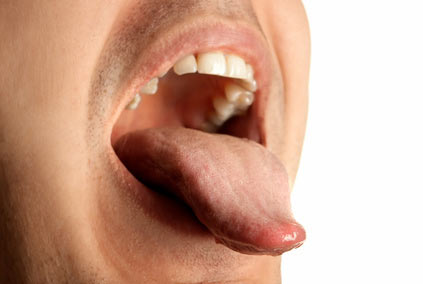
Although this study was not designed to determine which specific exercises were beneficial, an editorial response to this study in the same journal[26] argues that only 2 of the set of exercises were likely capable of effecting the improvements they reported. These 2 exercises included sucking the tongue upward against the palate for a total of 3 minutes throughout the day, and inflating a balloon by blowing forcefully and then breathing in deeply through the nose, repeated 5 times without removing the balloon from the mouth. The tongue exercise is intended to increase the strength of tongue protrusion, and the balloon exercise is intended to increase the strength of the pharyngeal wall.[25] Although more research is needed to clarify the effects of oropharyngeal exercise on OSA, this recent study suggests a promising new approach to treating OSA.

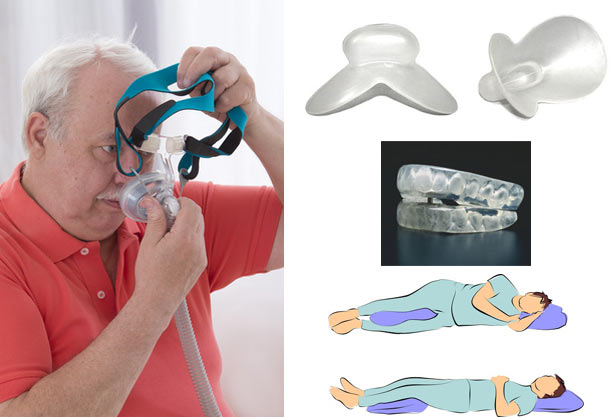
Re the last link I am referring to the last two things, namely the anti-back-sleeping device (anybody made or bought one?) and the didgeridoo.
Here is a quote from Wiki (http://en.wikipedia.org/wiki/Obstructive_sleep_apnea) which sounds encouraging:
Alternative treatments
One study showed that playing the didgeridoo may reduce snoring and daytime sleepiness due to obstructive sleep apnea.[24] Since obstructive sleep apnea is sometimes caused by low tone (hypotonicity) in the muscles of the throat, playing the didgeridoo may improve symptoms of sleep apnea by exercising muscles of the throat and increasing tone.[25]
A study published in 2009[25] tested the effect of a set of oropharyngeal exercises developed from exercises used by speech-language pathologists to improve swallowing function. Participants with moderate obstructive sleep apnea who performed the exercises every day showed a significant decrease in snoring frequency, snoring intensity, daytime sleepiness, sleep quality score, neck circumference, and apnea-hypopnea index (events per hour) when compared with a control group who performed sham exercises. The improvement in OSA shown by this group was comparable to the improvement shown in patients who use oral appliances to treat OSA.
Although this study was not designed to determine which specific exercises were beneficial, an editorial response to this study in the same journal[26] argues that only 2 of the set of exercises were likely capable of effecting the improvements they reported. These 2 exercises included sucking the tongue upward against the palate for a total of 3 minutes throughout the day, and inflating a balloon by blowing forcefully and then breathing in deeply through the nose, repeated 5 times without removing the balloon from the mouth. The tongue exercise is intended to increase the strength of tongue protrusion, and the balloon exercise is intended to increase the strength of the pharyngeal wall.[25] Although more research is needed to clarify the effects of oropharyngeal exercise on OSA, this recent study suggests a promising new approach to treating OSA.
Comment